CoQ10 Supplements: Heart, Migraine, Energy Claims, and Medication Safety
| November 12, 2026
Coenzyme Q10 (CoQ10) is sold for energy, heart health, migraines, and statin-related muscle symptoms. The research is mixed, and a supplement can still matter if you take warfarin, insulin, or cancer treatment. This guide separates what federal health sources say from what a product page may imply.
What CoQ10 Is—and What a Bottle Contains
CoQ10 is a substance the body makes and uses in energy production. Supplements commonly list ubiquinone or ubiquinol, but a form name alone does not prove a product will help a particular symptom. Read the Supplement Facts panel, serving size, other ingredients, lot information, and directions instead of treating a bright “energy” label as clinical evidence.
The National Center for Complementary and Integrative Health (NCCIH) overview of CoQ10 is a useful starting point because it distinguishes studied uses from claims that remain unproven. Dietary supplements also are not required to prove safety and effectiveness before reaching the U.S. market in the same way prescription medicines are.
Heart Health and Blood Pressure Claims
CoQ10 has been studied in heart disease and heart failure, but NCCIH describes the research as inconclusive. The small amount of evidence available also suggests that CoQ10 probably does not have a meaningful effect on blood pressure. That is very different from a claim that a supplement “supports cardiovascular health” in every shopper.
Do not use CoQ10 to replace prescribed heart or blood-pressure treatment. If you have chest pain, fainting, new shortness of breath, swelling, or another urgent symptom, seek medical care rather than trying a supplement first.
Migraines: A Narrower, Still Limited Question
CoQ10 has been studied for migraine prevention. An NCCIH evidence summary says a 2021 review of six small studies found possible reductions in migraine frequency and duration, but not severity; the evidence was limited and uncertainty remains. That is a research signal, not a guarantee and not a reason to stop a prevention plan that is working.
Keep a symptom record if your clinician recommends trying a supplement. Frequency, duration, severity, other treatments, and missed doses give a more useful picture than a single good or bad day.
Statins, Energy, and “Antioxidant” Marketing
Because cholesterol-lowering statins can affect the pathway used to make CoQ10, products are often marketed for statin-related muscle pain. NCCIH says the overall evidence does not support a meaningful reduction in statin muscle pain. If muscle pain, weakness, dark urine, or unusual fatigue begins after a medicine change, contact the prescriber; do not quietly stop the statin or self-treat the symptom.
Claims about cellular energy, healthy aging, or antioxidant protection can sound broader than the actual clinical evidence. A supplement’s biological role does not automatically establish a benefit for fatigue, athletic performance, memory, or disease prevention.
Interactions and Side Effects
NCCIH reports that serious side effects have not been reported in its summary, while mild insomnia or digestive upset may occur. Other health sources also describe possible nausea, upper-abdominal discomfort, headache, dizziness, rash, or fatigue. Stop and ask a clinician or pharmacist about persistent or concerning symptoms.
CoQ10 may interact with warfarin and insulin, and it may not be compatible with some cancer treatments. MedlinePlus specifically lists CoQ10 among products that can interact with warfarin. Bring the bottle or a complete photo of the label to a pharmacist before starting it, especially if you use a blood thinner, diabetes medicine, chemotherapy, or several prescriptions.
For another supplement-label and interaction comparison, see our guide to magnesium forms, sleep claims, interactions, and kidney safety.
Pregnancy, Breastfeeding, and Medical Conditions
Human safety information is limited for pregnancy and breastfeeding. People who are pregnant, trying to conceive, nursing, managing liver or kidney disease, preparing for surgery, or receiving cancer treatment should get individualized advice before using CoQ10. Keep supplements away from children, and do not assume “natural” means appropriate for an infant.
How to Compare CoQ10 Products
Compare the amount per serving, whether the label lists ubiquinone or ubiquinol, added ingredients, serving directions, expiration information, and the manufacturer’s contact details. Be cautious with blends that hide amounts behind a proprietary blend or promise to treat a condition. A transparent label helps you compare products; it does not prove purity, effectiveness, or suitability for your medicines.
Compare CoQ10 supplements on Amazon by the actual label and ingredients, not by promises of guaranteed energy, heart protection, or medication-related symptom relief.

Recommended supplement picks
As an Amazon Associate, Holistic Vitamin Store earns from qualifying purchases. Talk with a qualified clinician before starting supplements.
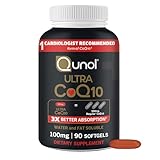
Commonly researched for heart health, statin discussions, and cellular energy support.
View on Amazon
Useful for comparing gentle magnesium forms often discussed for sleep and muscle support.
View on Amazon
A staple supplement category for heart, inflammation, and general wellness research.
View on AmazonFAQ
What is CoQ10 used for?
CoQ10 is marketed for energy, heart health, migraines, and statin-related muscle symptoms. Evidence varies by use, and federal health sources describe several common claims as inconclusive or unsupported.
Does CoQ10 lower blood pressure?
The small amount of evidence summarized by NCCIH suggests CoQ10 probably does not have a meaningful blood-pressure effect. It should not replace prescribed blood-pressure treatment.
Can I take CoQ10 with warfarin?
CoQ10 may interact with warfarin and could affect anticoagulation. Ask your prescriber or pharmacist before starting it, and do not change your warfarin dose on your own.
What are common CoQ10 side effects?
Mild digestive upset or insomnia may occur. Nausea, headache, dizziness, rash, or unusual fatigue should be discussed with a clinician if persistent or concerning.
Medical disclaimer: This article is for general education and is not medical advice, diagnosis, or treatment. Talk with a doctor or pharmacist before starting CoQ10, especially if you are pregnant, breastfeeding, preparing for surgery, managing a chronic condition, taking warfarin or insulin, or receiving cancer treatment.
Disclosure: This post contains Amazon affiliate links. As an Amazon Associate, Holistic Vitamin Store may earn from qualifying purchases.