CoQ10 Supplements: Ubiquinol, Ubiquinone, Benefits, and Safety Tips
| May 22, 2026
CoQ10 is one of the more practical supplements to understand because your body already makes it. Short for coenzyme Q10, it helps cells produce energy and also works as an antioxidant in cell membranes. That sounds fancy, but the everyday version is simple: CoQ10 is tied to how your body powers itself.
Interest in CoQ10 often comes up around heart health, energy, aging, and statin medications. It is not a magic battery pack, and it will not fix sleep deprivation, skipped meals, or a stressful schedule. But for the right person, it can be a sensible part of a broader wellness plan.
What CoQ10 Does in the Body
CoQ10 is involved in mitochondrial energy production. Mitochondria are the parts of your cells that help turn food into usable energy. Organs with high energy needs, including the heart, tend to contain more CoQ10.
Your body can make CoQ10, and you also get small amounts from foods like sardines, beef, chicken, peanuts, sesame seeds, broccoli, cauliflower, and spinach. Food sources help, but they usually provide modest amounts compared with supplements.
Ubiquinone vs. Ubiquinol
Two forms show up on labels: ubiquinone and ubiquinol. Ubiquinone is the oxidized form. Ubiquinol is the reduced form and is often marketed as easier to absorb, especially for older adults. Both can be useful, and both convert back and forth in the body.
Ubiquinol products often cost more. That does not automatically make them better for everyone. If budget matters, a well-made ubiquinone supplement taken with food may still be a reasonable option.
Why People Consider CoQ10
People usually look at CoQ10 for a few specific reasons. The strongest conversations tend to center on cardiovascular wellness and medication-related nutrient concerns.
- Heart wellness: CoQ10 supports cellular energy production in tissues with high energy demand.
- Statin conversations: Statin medications can lower CoQ10 levels, so some people ask their clinician whether supplementation makes sense.
- Healthy aging: CoQ10 production may decline with age, which is one reason it appears in longevity and energy formulas.
- Exercise recovery: Some people use it as part of a broader recovery routine, though expectations should stay realistic.
If you’re comparing options, you can browse CoQ10 supplements on Amazon and look for the form, serving amount, third-party testing, and whether the softgel uses oil for absorption.
How to Choose a CoQ10 Supplement
CoQ10 is fat-soluble, so it generally absorbs better when taken with a meal that contains fat. Softgels in an oil base are common for that reason. Dry capsules can still work, but the formulation matters.
Look for a label that clearly states the form and amount per serving. Many products land around 100 to 200 mg per serving, though needs vary. Avoid formulas that bury CoQ10 inside a giant proprietary blend. You should know what you are taking without needing a detective board and red string.

Practical Tips for Taking CoQ10
Take CoQ10 with a meal, ideally one that includes healthy fat. Breakfast with eggs, yogurt and nuts, avocado toast, or dinner with olive oil can all work. Consistency matters more than perfect timing.
If you are sensitive to supplements, start with the lower end of the serving range. Some people notice mild digestive upset, headache, or trouble sleeping if they take it late in the day. Morning or lunchtime is often the safer bet.
Give it time. CoQ10 is not usually a same-day “feel it instantly” supplement. If you and your clinician decide it is appropriate, think in weeks rather than hours.
Who Should Be Careful?
Talk with a qualified healthcare professional before taking CoQ10 if you use blood thinners such as warfarin, take blood pressure medication, are pregnant or breastfeeding, have liver disease, are preparing for surgery, or manage a heart condition.
This is especially important if you are considering CoQ10 because of statin use. Do not stop or change prescribed medication because of something you read online. Bring the question to your clinician and make the decision with actual medical context.
Bottom Line
CoQ10 is a grounded supplement with a clear role in cellular energy production. It is most worth considering when there is a specific reason, such as cardiovascular wellness support, age-related CoQ10 decline, or a clinician-guided conversation around statin use.
The smart approach is boring in the best way: choose a transparent product, take it with food, watch for side effects, and keep your healthcare team in the loop.
Recommended supplement picks
As an Amazon Associate, Holistic Vitamin Store earns from qualifying purchases. Talk with a qualified clinician before starting supplements.
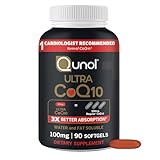
Commonly researched for heart health, statin discussions, and cellular energy support.
View on Amazon
A staple supplement category for heart, inflammation, and general wellness research.
View on Amazon
Useful for comparing gentle magnesium forms often discussed for sleep and muscle support.
View on AmazonFAQ
Is ubiquinol better than ubiquinone?
Ubiquinol may be easier to absorb for some people, especially older adults, but ubiquinone can still be useful and is often less expensive.
When should I take CoQ10?
CoQ10 is usually taken with a meal that contains fat. Many people prefer morning or lunch because taking it late may bother sleep for some.
Can CoQ10 interact with medication?
Yes. CoQ10 may interact with blood thinners, blood pressure medications, and other treatments. Ask a clinician before adding it if you take prescriptions.
How long does CoQ10 take to work?
It varies. CoQ10 is usually not an instant-effect supplement. If appropriate for you, it is typically evaluated over several weeks.
Medical disclaimer: This article is for educational purposes only and is not medical advice. Supplements can interact with medications and may not be appropriate for every person. Always talk with your doctor, pharmacist, or another qualified healthcare professional before starting a new supplement, especially if you take prescription medication, manage a heart condition, are pregnant or breastfeeding, or are preparing for surgery.
Disclosure: This post contains Amazon affiliate links. As an Amazon Associate, Holistic Vitamin Store may earn from qualifying purchases.