Magnesium Glycinate: A Gentle Guide to Calm, Sleep, and Muscle Support
| May 19, 2026
Magnesium glycinate has become one of those supplements people hear about when they’re trying to sleep better, feel less tense, or build a calmer evening routine. The hype can get a little loud. Still, magnesium itself is not a fad nutrient. Your body uses it for hundreds of normal processes, including muscle function, nerve signaling, energy production, and maintaining a steady heart rhythm.
The glycinate form is popular because it pairs magnesium with glycine, an amino acid that tends to be gentle on digestion. That does not make it magic, and it does not mean everyone needs it. But if your diet is light on magnesium-rich foods or your routine leaves you feeling depleted, it may be worth understanding.
What Makes Magnesium Glycinate Different?
Magnesium supplements come in several forms. Magnesium oxide is common and inexpensive, but it can be harder on the stomach and is often used more for occasional constipation. Magnesium citrate is also common, but some people find it too loosening.
Magnesium glycinate is usually chosen when the goal is daily magnesium support without turning the bathroom into a side quest. Many people tolerate it well, especially when taken with food. The glycine piece is also part of why it shows up in conversations about relaxation and sleep, although your overall sleep habits still matter more than any capsule.
Why Magnesium Matters for a Holistic Routine
Magnesium is involved in how muscles contract and relax, how nerves communicate, and how cells make energy. Low intake can show up in subtle ways: tight muscles, restless evenings, low resilience after stressful days, or a general “I’m running on fumes” feeling.
Food should come first. Dark leafy greens, pumpkin seeds, chia seeds, black beans, almonds, cashews, and whole grains all bring magnesium to the table. Supplements are best used as backup, not as permission to ignore dinner.
Potential Benefits People Look For
Most people who consider magnesium glycinate are looking for one of a few practical outcomes.
- Calmer evenings: Magnesium supports normal nervous system function, which can fit nicely into a wind-down routine.
- Muscle comfort: It plays a role in normal muscle relaxation and may support people who feel tight after workouts or long desk days.
- Sleep support: It may help support sleep quality when low magnesium intake is part of the picture, but it will not fix late caffeine, blue light, or a chaotic bedtime.
- Steady daily intake: For people who do not eat many nuts, seeds, legumes, or greens, a modest supplement can help close the gap.
If you’re comparing options, you can browse magnesium glycinate supplements on Amazon and look for third-party testing, clear labeling, and reasonable serving sizes.
How to Choose a Magnesium Glycinate Supplement
Look at the label closely. The important number is “elemental magnesium,” not just the total weight of the compound. A serving that sounds huge may not provide as much actual magnesium as you think.
Also check for unnecessary extras. Some formulas are clean and simple. Others add herbs, melatonin, or blends that make it harder to know what’s helping or what’s causing side effects. If you’re sensitive, start boring. Boring is underrated.
Quality signs include third-party testing, transparent supplement facts, and a brand that clearly explains the form of magnesium used. Avoid products that promise dramatic overnight transformations. That’s marketing, not wellness.

Practical Tips for Taking It
Many people take magnesium glycinate in the evening because it fits naturally with a wind-down routine. Taking it with a small snack can make it easier on the stomach. If you’re new to magnesium, start with a lower amount instead of jumping straight to the top of the label’s suggested serving.
Do not stack multiple magnesium products without checking the total. A multivitamin, electrolyte powder, sleep blend, and standalone magnesium can add up fast. More is not automatically better, and too much magnesium from supplements can cause diarrhea, cramping, or other unpleasant effects.
Who Should Be Careful?
Talk with a qualified clinician before using magnesium supplements if you have kidney disease, heart rhythm issues, low blood pressure, or if you take prescription medications. Magnesium can interfere with some antibiotics, thyroid medications, osteoporosis drugs, and other prescriptions if taken too close together.
Pregnant or breastfeeding people should also check with their clinician. The same goes for anyone managing a chronic condition. A supplement that is gentle for one person can still be the wrong fit for someone else.
Bottom Line
Magnesium glycinate is a sensible option for people who want gentle magnesium support, especially around relaxation, muscle comfort, and evening routines. It works best as part of the basics: better meals, consistent sleep timing, less late caffeine, movement, hydration, and actual rest.
If you try it, choose a straightforward product, start low, and pay attention to how you feel. The goal is not to build a giant supplement shelf. The goal is to support your body in a way that feels steady, safe, and sustainable.
Recommended supplement picks
As an Amazon Associate, Holistic Vitamin Store earns from qualifying purchases. Talk with a qualified clinician before starting supplements.

Useful for comparing gentle magnesium forms often discussed for sleep and muscle support.
View on Amazon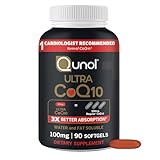
Commonly researched for heart health, statin discussions, and cellular energy support.
View on Amazon
Useful for hydration, minerals, training, sauna, and hot-weather wellness topics.
View on AmazonFAQ
Is magnesium glycinate good for sleep?
It may support sleep quality for some people, especially if magnesium intake is low. It works best alongside strong sleep habits, not as a replacement for them.
Can magnesium glycinate upset your stomach?
It is often gentler than some other forms, but it can still cause digestive discomfort in sensitive people or at higher doses.
When is the best time to take magnesium glycinate?
Many people prefer evening, but consistency matters more than the clock. Take it with food if your stomach is sensitive.
Medical disclaimer: This article is for educational purposes only and is not medical advice. Supplements can interact with medications and may not be appropriate for every person. Always talk with your doctor, pharmacist, or another qualified healthcare professional before starting a new supplement, especially if you are pregnant, breastfeeding, managing a health condition, or taking medication.
Disclosure: This post contains Amazon affiliate links. As an Amazon Associate, Holistic Vitamin Store may earn from qualifying purchases.