Omega-3 Supplements: Fish Oil, Algae Oil, Benefits, and Safety Tips
| May 20, 2026
Omega-3 supplements get talked about as if they’re only for heart health, but that’s too narrow. These fats are part of cell membranes, inflammatory balance, brain function, eye health, and the way your body recovers from everyday stress. They’re not a shortcut around good food. They’re a backup plan when your weekly meals don’t include enough fatty fish, algae, walnuts, chia, or flax.
The confusing part is that “omega-3” can mean several different things. Fish oil, algae oil, flaxseed oil, and krill oil are not identical. If you’re trying to choose one wisely, the label matters more than the front-of-bottle marketing.
What Are Omega-3s?
Omega-3s are essential fats, which means your body needs them but can’t make enough on its own. The three you’ll see most often are ALA, EPA, and DHA.
- ALA comes from plant foods like flaxseed, chia seeds, walnuts, and hemp seeds.
- EPA is commonly found in marine sources and is often discussed for inflammatory balance.
- DHA is concentrated in the brain and eyes, and it’s especially important during pregnancy and early development.
Your body can convert some ALA into EPA and DHA, but the conversion is limited. That’s why people who rarely eat fish often look at fish oil or algae-based omega-3 supplements.
Fish Oil vs. Algae Oil vs. Plant Oils
Fish oil is the most common omega-3 supplement because it usually provides EPA and DHA directly. Algae oil is the best fit for many vegetarians, vegans, and people who want a marine omega-3 without fish. Flaxseed oil and other plant oils can be useful, but they mainly provide ALA rather than direct EPA and DHA.
None of these options is automatically “best” for everyone. The right choice depends on diet, tolerance, ethics, budget, and what your clinician recommends. If fishy burps make you regret your life choices, algae oil or an enteric-coated fish oil may be easier to stick with.
Potential Benefits People Look For
Omega-3s are studied for several areas of wellness. The strongest everyday reason to care is that these fats help round out a diet that is often heavy in omega-6 oils and light on marine foods.
- Heart wellness: EPA and DHA support normal triglyceride metabolism and overall cardiovascular health.
- Brain and mood support: DHA is a structural fat in the brain, and omega-3 intake is often discussed in mental wellness research.
- Eye health: DHA is also important in the retina.
- Inflammatory balance: Omega-3s help support the body’s normal inflammation-resolving pathways.
- Pregnancy nutrition: DHA needs can be higher during pregnancy and breastfeeding, but supplement choices should be clinician-guided.
If you’re comparing options, you can browse omega-3 supplements on Amazon and look for clear EPA/DHA amounts, purity testing, and freshness information.
How to Read the Label
Do not judge an omega-3 supplement by “1,000 mg fish oil” on the front. That number may describe the total oil, not the actual EPA and DHA. Turn the bottle around and find the supplement facts panel. You want the amounts of EPA and DHA per serving.
Freshness matters too. Omega-3 oils can oxidize, which is a fancy way of saying they can go rancid. Look for brands that mention third-party testing, peroxide values, heavy metal testing, or IFOS-style quality checks. Store softgels away from heat and light, and don’t ignore a strong rancid smell.

Practical Tips Before You Buy
Start with food. If you eat salmon, sardines, trout, or anchovies a couple of times per week, you may already be doing well. If you don’t eat fish, algae oil is worth a look because it can provide DHA and sometimes EPA directly.
Take omega-3 supplements with a meal that contains some fat. That can improve absorption and reduce fishy aftertaste. If one product bothers your stomach, try a smaller serving, a different form, or a different time of day.
Be careful with mega-dosing. More is not automatically better, especially if you take blood thinners, have a bleeding disorder, have surgery coming up, or use medications that affect clotting. This is where “natural” still needs adult supervision.
Who Should Be Careful?
Talk with a qualified healthcare professional before using omega-3 supplements if you take anticoagulants or antiplatelet medications, have a bleeding disorder, are scheduled for surgery, have a fish or shellfish allergy, are pregnant or breastfeeding, or manage a chronic condition.
People with implanted heart devices, rhythm concerns, or complex cardiovascular histories should also ask first. Omega-3s can be helpful in the right context, but they’re not something to stack casually on top of every medication and supplement you already use.
Bottom Line
Omega-3 supplements can be a smart addition when your diet is light on fatty fish or direct EPA and DHA sources. The best product is not the loudest bottle. It’s the one with clear EPA/DHA amounts, solid freshness standards, and a form you’ll actually take consistently.
Food first, supplement second, label reading always. That simple order keeps the whole thing grounded.
Recommended supplement picks
As an Amazon Associate, Holistic Vitamin Store earns from qualifying purchases. Talk with a qualified clinician before starting supplements.

A staple supplement category for heart, inflammation, and general wellness research.
View on Amazon
Lets readers compare curcumin strength, black pepper extract, and joint support formulas.
View on Amazon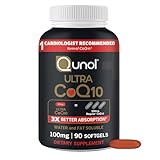
Commonly researched for heart health, statin discussions, and cellular energy support.
View on AmazonFAQ
Is fish oil better than algae oil?
Fish oil usually provides EPA and DHA directly, while algae oil can provide DHA and sometimes EPA without using fish. The better choice depends on your diet, values, allergies, and healthcare needs.
How much omega-3 should I take?
Needs vary by diet and health status. Check the EPA and DHA amounts on the label and ask a clinician for personal guidance, especially if you take medication.
Can omega-3 supplements cause side effects?
Yes. Some people notice fishy burps, stomach upset, loose stools, or reflux. Higher doses may increase bleeding risk for certain people.
Should I refrigerate omega-3 supplements?
Follow the label. Many omega-3 oils do best stored away from heat and light, and some liquid oils should be refrigerated after opening.
Medical disclaimer: This article is for educational purposes only and is not medical advice. Supplements can interact with medications and may not be appropriate for every person. Always talk with your doctor, pharmacist, or another qualified healthcare professional before starting a new supplement, especially if you are pregnant, breastfeeding, managing a health condition, preparing for surgery, or taking medication.
Disclosure: This post contains Amazon affiliate links. As an Amazon Associate, Holistic Vitamin Store may earn from qualifying purchases.