Vitamin B6 Supplements: P-5-P, Nerves, PMS Claims, and Safety
| August 22, 2026
Vitamin B6 supplements sit in a strange category: essential nutrient, common multivitamin ingredient, popular nerve-support add-on, and one of the vitamins people can absolutely overdo. That combination makes label reading more important than the front-of-bottle wellness pitch.
B6 is involved in amino acid metabolism, neurotransmitter pathways, red blood cell production, immune function, and homocysteine metabolism. It is useful to know about, but higher-dose B6 is not automatically better, especially when multiple products quietly stack it together.
What Vitamin B6 Does
Vitamin B6 is a water-soluble vitamin found in foods such as poultry, fish, potatoes, bananas, chickpeas, fortified cereals, and some nuts. Supplements may list it as pyridoxine hydrochloride, pyridoxal-5-phosphate, or P-5-P.
The body uses B6 in many enzyme reactions, including pathways tied to protein metabolism and normal nervous system function. That broad role is why B6 appears in B-complex products, magnesium formulas, PMS blends, sleep products, energy formulas, and nerve-support supplements.
P-5-P Versus Pyridoxine
P-5-P is the active coenzyme form of vitamin B6. Pyridoxine is a common supplemental form that the body can convert. Some shoppers prefer P-5-P because it sounds more direct, while others choose standard pyridoxine because it is widely available and usually cheaper.
The form is only one part of the decision. Dose, total daily intake, overlapping supplements, medication context, and side effects matter more than paying extra for a trendy label.
Nerve And PMS Claims
Vitamin B6 is commonly marketed for nerve health, occasional tingling, mood, PMS-related discomfort, nausea support, and energy metabolism. Those claims can be easy to overread. Persistent numbness, burning, weakness, menstrual changes, severe mood symptoms, or unexplained fatigue deserve proper medical evaluation.
B6 can be relevant in specific clinical situations, but self-treating symptoms with high-dose capsules can blur the real cause. Iron, B12, folate, thyroid status, diabetes, medication effects, autoimmune disease, and nerve compression can all create overlapping symptoms.
How To Compare Products
You can compare vitamin B6 and P-5-P supplements on Amazon and look for the exact form, milligrams per serving, percentage of daily value, third-party testing, whether it is a standalone product or B-complex, and whether the label warns against long-term high-dose use.
Check every supplement you already take before adding B6. Multivitamins, B-complex capsules, magnesium sleep blends, pre-workouts, energy drinks, prenatal vitamins, and nerve-support formulas may all contain it.

The High-Dose Problem
Because B6 is water-soluble, people sometimes assume excess intake is harmless. That is not a smart assumption. Too much supplemental B6, especially over time, has been associated with nerve-related side effects in some cases.
Watch for new tingling, numbness, burning sensations, balance problems, clumsiness, unusual sensitivity, or weakness. Those symptoms should not be ignored or masked by adding more nerve-support supplements.
Medication And Health Precautions
People taking levodopa without carbidopa, seizure medication, certain antibiotics, chemotherapy, tuberculosis medication, diabetes medication, or complex psychiatric medication should ask a clinician or pharmacist before adding B6. Pregnancy, breastfeeding, kidney disease, liver disease, neuropathy, Parkinson’s disease, seizure disorders, and planned surgery also deserve caution.
If a clinician recommends B6 for a specific reason, follow that plan rather than guessing from supplement labels. More is not always better, and long-term high-dose routines should be supervised.
Practical Routine Fit
For many people, the easiest place to start is reviewing the B6 already present in a multivitamin or B-complex. A standalone B6 product may be unnecessary if your daily routine already includes a meaningful amount.
If you do use a standalone supplement, choose a clear label, avoid stacking several B6-containing products, and keep track of total intake over time. Supplements should simplify a routine, not create a mystery pile of overlapping nutrients.
Bottom Line
Vitamin B6 is essential, but that does not make high-dose supplementation casual. The best choice is usually transparent, moderate, third-party tested, and evaluated alongside every other supplement you already take.
If you are using B6 because of nerve symptoms, PMS concerns, fatigue, nausea, or mood changes, treat the supplement as one small piece of the conversation, not a replacement for finding the cause.
Recommended supplement picks
As an Amazon Associate, Holistic Vitamin Store earns from qualifying purchases. Talk with a qualified clinician before starting supplements.

Useful for comparing gentle magnesium forms often discussed for sleep and muscle support.
View on Amazon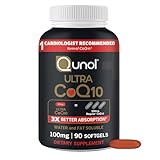
Commonly researched for heart health, statin discussions, and cellular energy support.
View on Amazon
A common comparison point for readers researching bone, muscle, and immune support.
View on AmazonFAQ
What is vitamin B6 used for?
Vitamin B6 supports normal protein metabolism, nervous system function, red blood cell production, immune function, and several neurotransmitter-related pathways. Supplements are often marketed for nerve support, PMS claims, nausea support, and energy metabolism.
What is P-5-P?
P-5-P, or pyridoxal-5-phosphate, is the active coenzyme form of vitamin B6. It is one supplement form shoppers compare against standard pyridoxine hydrochloride.
Can too much vitamin B6 cause problems?
Yes. Excess supplemental B6 over time has been associated with nerve-related side effects in some cases, including tingling, numbness, burning sensations, balance issues, or weakness.
Should vitamin B6 be taken alone or in a B-complex?
It depends on your existing intake and health context. A B-complex may already provide significant B6, while standalone products can make total intake higher than intended.
Medical disclaimer: This article is for educational purposes only and is not medical advice. Supplements can interact with medications and may not be appropriate for every person. Always talk with your doctor, pharmacist, neurologist, obstetrician, psychiatrist, registered dietitian, endocrinologist, nephrologist, hepatologist, surgeon, or another qualified healthcare professional before starting a new supplement, especially if you are pregnant or breastfeeding, under 18, have kidney disease, liver disease, neuropathy, Parkinson’s disease, seizure disorders, diabetes, psychiatric conditions, upcoming surgery, or take levodopa, seizure medication, antibiotics, chemotherapy, tuberculosis medication, diabetes medication, or other prescription medication.
Disclosure: This post contains Amazon affiliate links. As an Amazon Associate, Holistic Vitamin Store may earn from qualifying purchases.