L-Carnitine Supplements: Energy, Exercise, Metabolism, Brain Health, and Safety
| July 21, 2026
L-carnitine is a nutrient-like compound involved in moving fatty acids into mitochondria, where cells can use them for energy. That biochemical role makes it a magnet for supplement marketing around fat burning, workouts, brain energy, and healthy aging. The truth is more useful than the hype.
Think of L-carnitine as a targeted supplement that may fit certain goals, not a magic metabolism switch. Food quality, protein intake, training, sleep, thyroid health, medications, and blood sugar patterns still drive the bigger picture. A capsule cannot outrun a chaotic routine forever.
What L-Carnitine Does
The body makes carnitine from amino acids, and it is also found in foods, especially meat and dairy. Its best-known job is helping transport long-chain fatty acids into mitochondria. That sounds like direct fat loss, but human metabolism is not a one-step vending machine.
Supplement labels may list L-carnitine, acetyl-L-carnitine, L-carnitine L-tartrate, or propionyl-L-carnitine. Those forms are related, but they are often marketed for different use cases such as exercise recovery, cognitive support, circulation, or general energy.
Energy and Metabolism Claims
People often try L-carnitine when they feel low-energy or want better metabolic support. It may be more relevant when diet patterns, age, training load, or specific health contexts affect carnitine status, but it should not be treated as a substitute for evaluating persistent fatigue.
Low energy can come from poor sleep, low calories, anemia, thyroid disease, depression, medication side effects, blood sugar problems, sleep apnea, infections, or under-recovery. If fatigue is new, severe, or getting worse, get that checked instead of building a supplement stack around it.
Exercise and Recovery Use
L-carnitine L-tartrate is common in sports nutrition formulas, usually positioned around recovery, soreness, power output, or training stress. Some athletes like it because it is not a stimulant, which can be useful if caffeine already runs the day.
The honest version: L-carnitine might be a small lever for some active adults, but training quality, progressive overload, protein, carbohydrates, hydration, electrolytes, and sleep still matter more. If your program is a mess, L-carnitine will mostly make the mess more expensive.
Acetyl-L-Carnitine and Brain Health
Acetyl-L-carnitine is often discussed for brain health, nerve support, mental energy, and healthy aging. It crosses into the brain more readily than some other forms, which is why labels often put it in the cognitive-support category.
That does not mean it treats memory loss, neuropathy, depression, dementia, ADHD, or neurological disease. Nerve pain, weakness, numbness, cognitive changes, mood symptoms, or balance problems deserve real medical attention, especially when they are new or progressive.
How to Compare Products
If you are comparing options, you can browse L-carnitine supplements on Amazon and look for the exact form, milligrams per serving, third-party testing, capsule or liquid ingredients, serving size, and whether the brand avoids exaggerated fat-loss or disease-treatment claims.
Choose the form that matches the reason you are using it. General L-carnitine is usually used for broad wellness or metabolism support, acetyl-L-carnitine is often chosen for cognitive or nerve-support goals, and L-carnitine L-tartrate is common in workout-focused products.

Side Effects and Safety
L-carnitine can cause digestive upset, nausea, loose stools, cramps, restlessness, or a fishy body odor in some people. More is not automatically better, and sensitive users should avoid starting with aggressive servings.
People who are pregnant, breastfeeding, trying to conceive, under 18, scheduled for surgery, managing seizure disorders, bipolar disorder, kidney disease, liver disease, thyroid disease, heart disease, diabetes, or complex medication plans should ask a qualified clinician before using L-carnitine.
Medication and Condition Cautions
Use extra caution if you take warfarin or other blood thinners, thyroid medication, seizure medication, diabetes medication, blood pressure medication, heart rhythm medication, psychiatric medication, antibiotics for active infection, or multiple performance, energy, or nootropic supplements.
People with seizure history should be especially careful because carnitine products may not be appropriate for every neurological situation. Anyone with kidney disease should also avoid casual experimentation because supplement clearance and metabolite handling can be different.
Bottom Line
L-carnitine supplements may be worth considering for certain adults interested in exercise recovery, metabolic support, mental energy, or form-specific goals like acetyl-L-carnitine. The smart approach is simple: pick the right form, use a transparent product, start conservatively, and do not use it to ignore symptoms that need medical workup.
Used thoughtfully, L-carnitine can be a reasonable supplement trial. Used as a shortcut for fat loss, fatigue, or brain symptoms, it becomes another shiny label doing the job of a doctor, a training plan, or a decent night of sleep.
Recommended supplement picks
As an Amazon Associate, Holistic Vitamin Store earns from qualifying purchases. Talk with a qualified clinician before starting supplements.

Relevant for readers comparing blood sugar, cravings, and metabolism supplement claims.
View on Amazon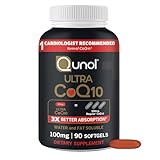
Commonly researched for heart health, statin discussions, and cellular energy support.
View on Amazon
Useful for hydration, minerals, training, sauna, and hot-weather wellness topics.
View on AmazonFAQ
What is L-carnitine used for?
L-carnitine is commonly used for energy metabolism, exercise recovery, and wellness support. Acetyl-L-carnitine is often marketed for cognitive and nerve-support goals, but it is not a treatment for disease.
Does L-carnitine burn fat?
L-carnitine helps transport fatty acids in cells, but that does not guarantee fat loss. Body composition still depends on diet, training, sleep, hormones, medications, and consistency.
What is the difference between L-carnitine and acetyl-L-carnitine?
They are related forms. Acetyl-L-carnitine is often chosen for brain or nerve-support goals, while other forms are more commonly used for general metabolism or exercise-focused routines.
Who should be careful with L-carnitine supplements?
People with seizure disorders, kidney disease, thyroid disease, heart disease, diabetes, pregnancy, breastfeeding, upcoming surgery, or complex medication plans should get medical guidance first.
Medical disclaimer: This article is for educational purposes only and is not medical advice. Supplements can interact with medications and may not be appropriate for every person. Always talk with your doctor, pharmacist, neurologist, cardiologist, endocrinologist, OB-GYN, registered dietitian, sports medicine clinician, or another qualified healthcare professional before starting a new supplement, especially if you are pregnant or breastfeeding, trying to conceive, under 18, older, scheduled for surgery, have seizure disorders, bipolar disorder, kidney disease, liver disease, thyroid disease, heart disease, diabetes, blood pressure issues, chronic fatigue, neurological symptoms, nerve pain, mood symptoms, chronic medical conditions, or take warfarin, blood thinners, thyroid medication, seizure medication, diabetes medication, blood pressure medication, heart rhythm medication, psychiatric medication, antibiotics, alcohol, or other prescription medication.
Disclosure: This post contains Amazon affiliate links. As an Amazon Associate, Holistic Vitamin Store may earn from qualifying purchases.